Lawn Care in Chessington: Practical, Professional Tips for a Greener, Healthier Garden
Why lawn care in Chessington matters for local homes

Healthy grass can transform the way a property looks and feels, and lawn care in Chessington plays a bigger role than many homeowners realize. A well-kept lawn does not just improve curb appeal; it also creates a usable outdoor space for relaxing, playing, entertaining, and enjoying the warmer months. In a busy suburban area like Chessington, where gardens range from compact family lawns to larger established plots, maintaining turf that looks lush and feels soft underfoot takes consistent attention.
Local conditions matter too. Chessington lawn care needs to take into account the region’s weather patterns, soil types, shade levels, and seasonal changes. Grass in one part of a garden may thrive while another struggles due to poor drainage or heavy foot traffic. That is why effective lawn maintenance in Chessington starts with understanding the specific needs of the property rather than applying a one-size-fits-all approach.
Whether you are aiming for a simple, tidy finish or a more pristine, ornamental look, the right approach can make a noticeable difference. Consistent care is more effective than occasional rescue work, and the best results often come from combining routine mowing, feeding, aeration, weed control, and seasonal treatment. With the right strategy, even a tired-looking lawn can be brought back to life over time.
Understanding local growing conditions in Chessington

Before starting any turf treatment plan, it helps to understand the environment your lawn is growing in. Many parts of Chessington experience a typical South East climate: mild winters, moderate rainfall, and warm spells in spring and summer. These conditions are generally favorable for grass growth, but they can also encourage weeds, moss, and fungal issues if the lawn is not managed properly.
Soil quality is one of the most important factors in successful lawn care in Chessington. Heavy clay soil can become waterlogged in wet weather and compacted under frequent use, while lighter sandy soil may drain too quickly and struggle to hold nutrients. In practical terms, this means the best lawn treatment often depends on testing the soil, checking drainage, and adjusting care routines accordingly.
Shade is another key issue. Trees, fences, buildings, and side passages can all limit sunlight and create patchy growth. In shaded areas, grass may grow slower, become thinner, and invite moss. Homeowners looking for effective lawn care Chessington solutions should pay attention to how sunlight moves across the garden during the day. The more you understand the conditions, the easier it becomes to choose the right grass seed, mowing height, and maintenance schedule.
Core services that support healthy grass

A strong lawn care plan is usually built around a few essential services. These are the foundations of good turf health and long-term appearance. Regular mowing is one of the most obvious, but it should never be treated as the only step. Grass needs a balanced routine that supports both above-ground and root development.
Here are some of the most important parts of effective lawn care in Chessington:
- Mowing: Keeping grass at the right height for the season and grass type.
- Feeding: Applying the correct fertiliser to encourage thicker, greener growth.
- Aeration: Reducing compaction so air, water, and nutrients can reach the roots.
- Scarification: Removing thatch, moss, and debris that block healthy growth.
- Weed control: Managing broadleaf weeds before they spread across the lawn.
- Overseeding: Filling bare patches with fresh grass seed for better density.
These services work best when they are timed correctly. For example, feeding after aeration can be particularly effective because the roots are more open to absorbing nutrients. In the same way, overseeding after scarification can improve germination because the new seed has better contact with the soil. If you want long-lasting results from Chessington lawn maintenance, it is usually better to combine these treatments rather than relying on just one.
Seasonal lawn care in Chessington
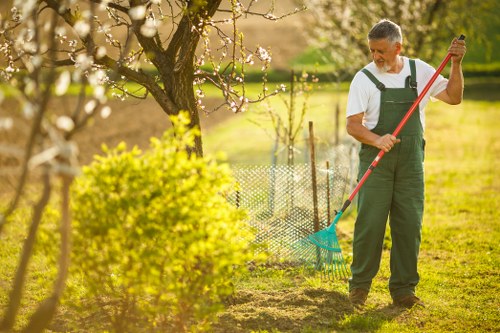
One of the smartest ways to improve your lawn is to follow the seasons. Grass does not need the same care in January as it does in July, and understanding these changes will help you avoid common problems. A seasonal approach is especially useful for lawn care in Chessington, where weather shifts can affect growth patterns quite quickly.
Spring is often the time when lawns begin to recover from winter damage. This is a good period for scarification, aeration, feeding, and reseeding worn patches. It is also the point when mowing begins to matter more frequently. Cutting too short in spring can stress the lawn, so a gentler approach is usually best.
Summer requires careful watering and mowing. During hot, dry periods, grass may go dormant or thin out. Rather than cutting excessively, it is better to mow a little higher to retain moisture. Deep, infrequent watering is usually more effective than shallow sprinkling because it encourages roots to grow deeper. Lawn care in Chessington during summer should focus on stress reduction and preventing damage from heat, drought, and heavy use.
Autumn and winter lawn priorities

Autumn is the season to prepare the lawn for cold weather. It is a good time for feeding with a suitable autumn fertiliser, clearing fallen leaves, and tackling compaction before winter rain sets in. Overseeding in autumn can be especially effective because the soil is still warm enough to support germination, while the cooler air reduces heat stress on new growth.
Winter is not usually the time for heavy treatment, but that does not mean the lawn should be ignored. Avoid walking on frozen or waterlogged grass where possible, as this can damage the crown and soil structure. Keeping the lawn free of leaves, branches, and debris helps reduce disease pressure. Good lawn care in Chessington during winter is mostly about protection, observation, and planning for the next active growing season.
Many homeowners find that a seasonal calendar makes turf care much easier to manage. By breaking work into spring, summer, autumn, and winter tasks, you can avoid missing the right window for key treatments. This is especially helpful if you want your Chessington lawn care to deliver consistent results year after year.
Mowing techniques that improve lawn health
Mowing may seem simple, but it has a major influence on lawn quality. Cutting grass too short can weaken roots, expose soil to sunlight, and allow weeds to establish more easily. On the other hand, leaving grass too long can make the lawn look untidy and reduce airflow at ground level. The ideal height depends on the season, grass variety, and the overall purpose of the lawn.
For most domestic gardens, a little and often approach works well. Removing no more than a third of the grass blade at a time helps reduce stress. It is also a good idea to keep mower blades sharp, since blunt blades tear the grass rather than cutting it cleanly. Clean cuts promote faster recovery and a better-looking finish.
When considering lawn care in Chessington, mowing patterns can also be useful. Alternating the direction of mowing helps prevent soil compaction and stops the grass from leaning in one direction. For those seeking a neater aesthetic, striped mowing can create a polished appearance without requiring a major redesign. Routine mowing remains one of the most visible parts of any lawn maintenance plan, but it works best when paired with feeding and aeration.
Feeding and fertilising for stronger growth
Grass needs nutrients just like any other plant, and the right fertiliser can make a noticeable difference to colour, density, and resilience. Fertilising is a crucial part of lawn care in Chessington, especially where soil has become depleted through years of mowing, weather exposure, and foot traffic. A balanced feeding plan helps support strong roots and better recovery after stress.
Different types of fertiliser serve different purposes. Spring feeds tend to encourage vigorous leafy growth and a rich green colour, while autumn feeds are usually designed to strengthen the roots and prepare the turf for colder months. It is important not to overfeed, as too much nitrogen can lead to rapid top growth without adequate root support. That can create a lawn that looks lush for a short time but is less durable overall.
Soil testing can be particularly useful if the lawn has stubborn issues. If pH levels are too acidic or nutrients are imbalanced, even the best feeding routine may not give ideal results. In that case, a tailored plan is often the best route. Chessington lawn care becomes much more effective when fertiliser choice matches the specific needs of the grass and soil.
Aeration, scarification, and thatch control
Over time, lawns naturally build up thatch: a layer of dead grass, roots, and organic matter sitting between the green blade and the soil surface. A small amount is normal, but too much can block water and air, creating a weak, spongy lawn. Scarification removes this material and helps refresh the turf. It is one of the most useful treatments in professional lawn care in Chessington.
Aeration is just as important, especially for compacted soils. This process creates small holes in the lawn, helping oxygen, moisture, and nutrients penetrate more deeply. For gardens that receive frequent use, have heavy clay soil, or suffer from poor drainage, aeration can make a substantial improvement. Core aeration is often the preferred method because it removes small plugs of soil rather than simply piercing the surface.
When combined, aeration and scarification can dramatically improve lawn condition. The grass becomes better able to breathe, absorb water, and establish stronger roots. If you are trying to improve patchy or tired turf, these treatments should be near the top of your list. Healthy lawns are built below the surface first, and these procedures help make that possible.
Weed, moss, and patch management
Unwanted growth is one of the biggest frustrations for homeowners. Weeds compete with grass for sunlight, water, and nutrients, while moss often thrives in damp, shaded, compacted areas. A good lawn care in Chessington plan addresses these problems early, before they spread and become harder to control.
Weed management should always aim to support the lawn rather than harm it. Selective weed control can target common broadleaf weeds while leaving the grass intact. Moss treatment is usually most effective when the underlying cause is addressed. That may mean improving drainage, increasing sunlight, reducing compaction, or raising the mowing height. Simply removing moss without fixing the conditions that caused it will only produce short-term results.
Bare patches are another common issue, especially in family gardens and high-traffic areas. Overseeding can help restore density and improve the overall appearance of the lawn. For best results, the soil should be prepared first through scarification or light raking, followed by seed application and proper aftercare. Repairing damage quickly prevents weeds from taking over open areas and helps the lawn recover faster.
Lawn care for family gardens and high-traffic areas
Not every lawn in Chessington is used the same way. Some are decorative, while others function as play spaces for children, pets, and regular outdoor entertaining. In high-traffic gardens, the pressure on the grass is much greater, so the lawn care approach must be more resilient and practical.
High-use lawns benefit from tougher grass varieties, regular overseeding, and timely aeration. These measures help the turf recover from wear and reduce the formation of thin, muddy, or compacted areas. If pets are involved, it may also be useful to pay attention to drainage and urine burn, both of which can affect appearance and growth. The best Chessington lawn maintenance strategies for busy gardens are the ones that focus on recovery and strength, not just aesthetics.
For families, safety and usability matter too. A level, healthy lawn is more pleasant for play, less slippery after rain, and easier to maintain over time. Keeping the grass in good condition is not just about looks; it is about making the garden more enjoyable and practical all year round.
How to improve a tired or neglected lawn
If a lawn has been neglected for some time, do not assume it cannot be improved. Many tired lawns in Chessington can be revived with a structured plan. The first step is usually to assess what is causing the decline. Is it shade, poor soil, compaction, weeds, moss, drought, or all of the above? Once the main problems are identified, the right treatment can be applied.
A sensible recovery plan often includes mowing at the correct height, scarifying to remove debris, aerating compacted areas, overseeding bald patches, and applying a suitable feed. In some cases, topdressing may also help improve surface level and soil structure. The key is to avoid overloading the lawn with too many treatments at once. Recovery works best when it is steady, realistic, and timed correctly.
Patience is essential. Grass does not always bounce back overnight, especially if the damage has built up over years. But with careful lawn care in Chessington, noticeable improvement is absolutely achievable. The aim is not perfection in one weekend; it is steady progress that results in a stronger and healthier lawn over time.
Choosing professional support for lawn care in Chessington
Some homeowners enjoy managing their own gardens, while others prefer the convenience of expert support. Professional lawn care in Chessington can be especially valuable if you want reliable results, save time, or tackle more difficult issues like compacted soil, severe moss, or repeated weed problems. A professional approach often means better timing, better equipment, and a more tailored treatment plan.
Using skilled help can also reduce the guesswork. Rather than experimenting with different feeds and treatments, you benefit from someone who can assess the lawn and recommend the right steps for the season. This can be particularly useful for lawns that have struggled for several years or have unique conditions such as deep shade, heavy use, or poor drainage. Expert lawn maintenance in Chessington is often about efficiency as much as appearance.
If you are aiming for a cleaner, greener, more resilient lawn, professional support can make that goal easier to reach. Contact us today to improve your outdoor space, or book your service now if you want to get started before the next growing season begins.
Simple habits that keep lawns looking their best
Once the main improvements are in place, good habits will help maintain the results. A healthy lawn does not require constant dramatic intervention, but it does benefit from regular attention. The simplest routines often produce the best long-term outcomes.
- Mow regularly but avoid cutting too short.
- Water deeply during dry periods rather than lightly and often.
- Remove leaves, branches, and debris promptly.
- Tackle weeds before they spread.
- Aerate compacted areas when needed.
- Feed the lawn according to the season.
- Overseed thin patches to maintain density.
These small actions go a long way. If you want your lawn care in Chessington efforts to pay off, consistency is more important than complexity. A few regular habits can prevent bigger problems later and keep the turf looking attractive throughout the year.
Creating a lawn that suits your home and lifestyle
The best lawn is not always the one that looks the most formal. It is the one that suits the way you live. For some homes, that means a soft, family-friendly surface that can handle games and gatherings. For others, it means a neat, ornamental finish with crisp edges and seasonal color from surrounding planting. Chessington lawn care should support your goals rather than force you into a style that does not fit your garden.
When planning a lawn, think about usage, maintenance time, shade, soil, and the amount of year-round attention you are willing to give it. A low-maintenance garden still needs care, but the routine can be adapted to suit your preferences. Meanwhile, a high-end finish may require more frequent mowing, feeding, and renovation work. Either way, the principles remain the same: improve the soil, strengthen the roots, and protect the grass from avoidable stress.
In the end, lawn care in Chessington is about making the most of your outdoor space. Whether you want a polished front lawn, a resilient family garden, or a full turf refresh, the right plan can deliver lasting value. Healthy grass is one of the simplest ways to improve the whole look of a property, and with the correct approach, that result is well within reach.
Final thoughts on lawn care in Chessington
A good lawn is never just an accident. It is the result of regular attention, smart seasonal choices, and treatments that match local conditions. From mowing and feeding to aeration and weed control, each part of the process contributes to a stronger, greener result. The most successful lawn care in Chessington plans are the ones built around consistency, not guesswork.
If your grass has become patchy, mossy, compacted, or dull, there is usually a practical way forward. By focusing on the roots, improving soil conditions, and staying in step with the seasons, you can restore both health and appearance. And if you prefer expert help, professional support can simplify the process and deliver dependable outcomes.
Contact us today to improve the look and feel of your garden, or book your service now to take the first step toward a better lawn. With the right care, your Chessington outdoor space can become a place you enjoy much more throughout the year.

